- Home
- Travel guides
- Tarifa to Tangier ferry
Tarifa to Tangier by ferry: the complete day-trip guide
One hour across the Strait of Gibraltar and you step off the boat into Africa, right below the old medina. Here is how the crossing works and how to make the most of a day in Tangier.
In this guide
Key facts
- Crossing time: about 1 hour on the fast ferry.
- Where you arrive: Tanger Ville port, in the city centre at the foot of the medina. Not Tanger Med, which is 45 km away.
- Documents: a valid passport. An ID card is not enough.
- Time difference: in summer Spain is 1 hour ahead of Morocco. In winter the clocks usually match.
- Money: Moroccan dirhams (MAD). Use an ATM in town, because the dirham can't be bought abroad.
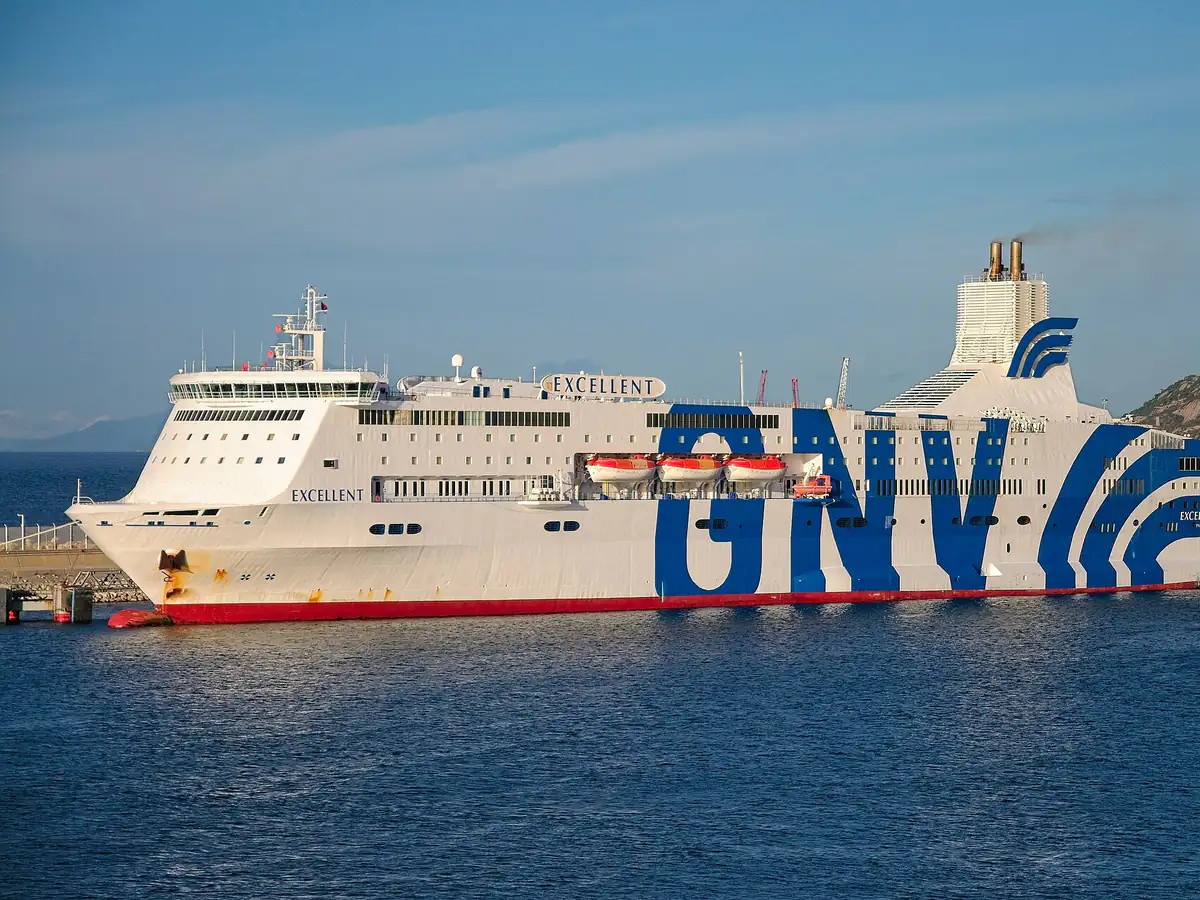
Few journeys pack in as much contrast as the hop from Tarifa to Tangier. The southern tip of Spain and the northern tip of Morocco face each other across the Strait of Gibraltar, about 14 km apart at the narrowest point. The fast ferry covers the longer route between the two ports in roughly an hour. That makes Tangier one of the easiest day trips into Africa anywhere, and one of the most rewarding.
We meet travellers off the Tarifa ferry almost every day, so this guide covers what actually matters: which port you land in, how passport control works, the time-zone catch that trips people up, and a realistic plan for the hours you have.
Tarifa or Algeciras? Choose the right port
Two Spanish ports have ferries to Tangier, and they do not go to the same place:
| Route | Crossing | Arrives at | Best for |
|---|---|---|---|
| Tarifa → Tanger Ville | ≈ 1 h | City centre, below the medina | Day trips and foot passengers |
| Algeciras → Tanger Med | ≈ 1 h 30 | Industrial port about 45 km east of Tangier | Drivers and trucks continuing into Morocco |
For a day trip, Tarifa is the right choice. You walk off the boat and the walls of the old medina are right in front of you. Arriving at Tanger Med means another 45–60 minutes by road before your visit even starts.
Tickets, timetables and the wind
Fast ferries run several times a day in each direction, with more departures in summer. You can buy tickets online from the operators or at the ticket offices in Tarifa port. A few practical points:
- Buy a return and note the last sailing back. The return is the one fixed point your whole day depends on.
- Arrive 45–60 minutes before departure. You check in and go through Spanish exit control before boarding.
- Watch the wind. The Strait is famous for the Levante (east) and Poniente (west) winds. On very rough days crossings can be delayed or cancelled. If your trip falls on a windy day, check the operator's updates the evening before and that morning.
- Timetables change by season. Always confirm the current schedule with the operator rather than relying on an old blog post, this one included.
Passport control: how it works
You leave the Schengen area and enter Morocco, so you go through two border controls each way. On the way out, Spanish police check your passport at Tarifa port. Moroccan entry formalities are often handled on board during the crossing: listen for the announcement and join the queue as soon as you sail, because finishing it on the boat saves time on arrival. Wherever it happens, keep your passport handy until you've walked out of the port.
Citizens of the EU, the UK, the USA, Canada, Australia and many other countries don't need a visa for a visit of up to 90 days. You do need a passport: a national ID card is not accepted. If you hold another nationality, check with a Moroccan consulate before you book.
On the way back, Moroccan exit control takes place at Tanger Ville port before boarding. Leave a comfortable margin and plan to be at the port at least an hour before your return sailing.
The time-zone trap
This is the mistake we see most often. Morocco keeps GMT+1 all year round, except during the month of Ramadan when it switches to GMT+0. Spain uses GMT+1 in winter and GMT+2 in summer. In practice:
- Summer (late March to late October): Spain is one hour ahead of Morocco.
- Winter: both countries usually show the same time.
- During Ramadan: the gap can grow by an extra hour.
Ferry timetables are printed in local time of the departure port. A boat leaving Tangier at 18:00 Moroccan time may leave at 19:00 on your Spanish phone. Set a reminder in the right time zone and you'll never cut it close.
Arriving at Tanger Ville port
Tanger Ville is the modernised city-centre port, directly below the old medina and next to the new marina. From the passenger terminal it's a short walk to the medina gates and the Kasbah above them.
Expect to be approached at the exit by men offering to "show you around". Some are friendly, but unlicensed guides (faux guides) are common around ports in many countries. Official guides carry a government-issued badge, so ask to see it. If you've booked a guide in advance, you'll be met by name at an agreed point and can walk straight past.
A realistic one-day plan for Tangier
With a mid-morning arrival and an early-evening return you have about six to seven hours on the ground. This is the rhythm we usually recommend:
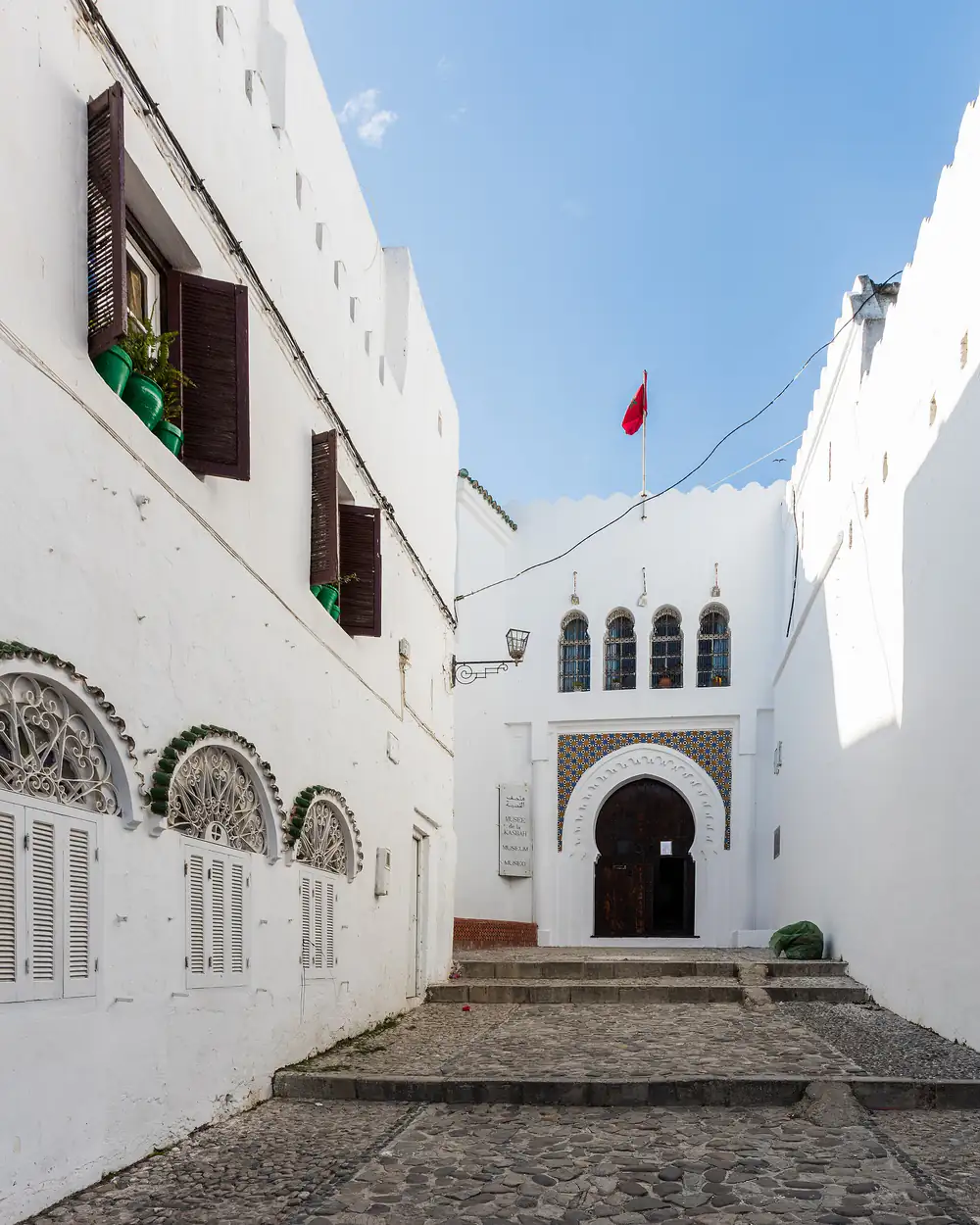
- Medina and Kasbah (2–2.5 h). Climb through the medina to the Kasbah: the old sultan's palace (now the Kasbah Museum), the terraces looking across to Spain, and the whitewashed lanes of the oldest part of the city. Then wander down through the Petit Socco, the little square that was the city's café stage in the 20th century.
- Lunch (1 h). A tagine, grilled fish or a bowl of bissara (fava bean soup) in the medina or near the Grand Socco.
- Grand Socco and the American Legation (45 min). The busy square at the medina's edge, the Mendoubia gardens and the Tangier American Legation, the first property the United States owned abroad (1821).
- Cap Spartel and the Caves of Hercules (2 h, needs a car). Drive 14 km west to the lighthouse at Africa's north-western tip (built in 1864), where the Atlantic meets the Strait. Then visit the sea caves, whose opening is famously shaped like a map of Africa.
- Mint tea at Café Hafa (30 min). Terraces stepping down the cliff towards Spain, open since 1921. It's the perfect last stop before heading back to the port.
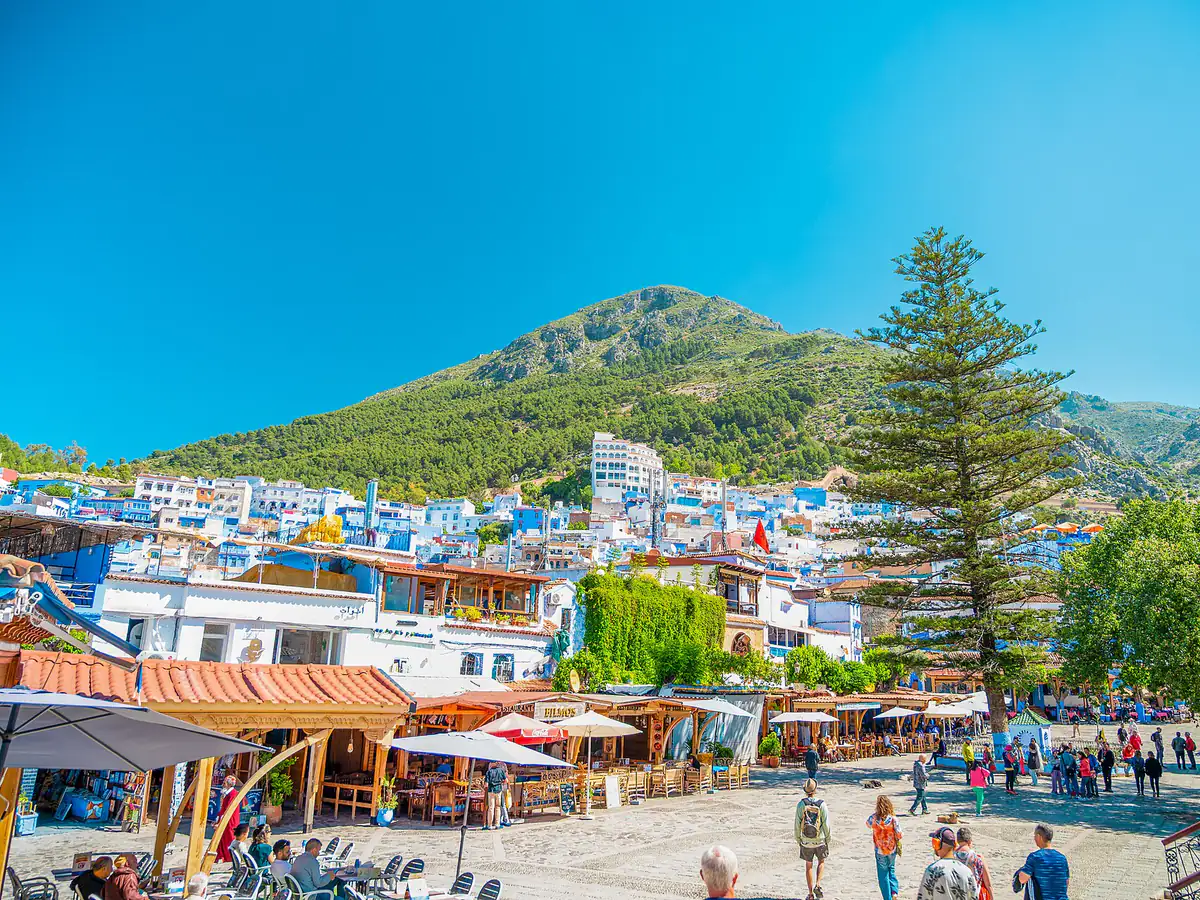
Short on time? Skip Cap Spartel and spend longer in the medina. Want more? Stay the night. Tangier is a fine base for a day trip to Chefchaouen the next morning.
We can meet you at Tanger Ville port with a licensed guide and a private car, then show you the Kasbah, the Medina, Cap Spartel and the Caves of Hercules.
Go it alone or with a guide?
You can absolutely visit Tangier on your own. The medina is compact, and the city is used to visitors. A guide earns their keep in three situations:
- You have only a few hours and want to see the Kasbah, the medina and Cap Spartel without losing time on taxis and wrong turns.
- You want to avoid the hassle at the port and in the medina. Walking with a licensed guide means nobody else will try to "guide" you.
- You want the stories: the international-zone years, the writers and spies, the Andalusian and Portuguese layers of the city. These are what make the walls interesting.
Whatever you choose, only book licensed guides. Ask for the licence number, ours is No. 3871, and agree on what's included before you set off.
Money, food and etiquette
- Cash: the dirham is a closed currency, so take some out at an ATM in town. Some tourist shops quote prices in euros, but the exchange rate is rarely in your favour.
- Cards: accepted in hotels, larger restaurants and shops, less so in the medina.
- Dress: light, comfortable clothing that covers shoulders and knees is appreciated, plus good shoes for steep cobbles.
- Photos: ask before photographing people, especially women and stallholders.
- Fridays: many medina shops close around the midday prayer.
- Mosques: most mosques in Morocco are open to Muslims only. You can admire the Grand Mosque's minaret from outside.
Frequently asked questions
How long is the ferry from Tarifa to Tangier?
The fast ferry from Tarifa to Tanger Ville port takes about one hour. Allow extra time for check-in and passport control on both sides.
Can I visit Tangier in one day from Tarifa?
Yes. With a morning crossing and an early-evening return you get six to seven hours in Tangier, enough for the medina, the Kasbah, lunch and Cap Spartel with a car.
Do I need a visa to take the ferry to Tangier?
Citizens of the EU, the UK, the USA, Canada, Australia and many other countries do not need a visa for stays of up to 90 days, but a valid passport is required. An ID card is not enough. Other nationalities should check with a Moroccan consulate.
Is there a time difference between Tarifa and Tangier?
In summer Spain is one hour ahead of Morocco. In winter the clocks usually match. During Ramadan Morocco moves back one hour. Ferry times are shown in the local time of the departure port.
What happens if the ferry is cancelled because of wind?
Strong Levante or Poniente winds can delay or cancel crossings. Operators normally move passengers to the next available sailing. Check updates before you travel and keep your return plans flexible on windy days.
Can I pay in euros in Tangier?
Some tourist businesses accept euros, but at a poor rate. It is better to withdraw Moroccan dirhams from an ATM in town.
Tell us your ferry times and we’ll plan the day: port pick-up, medina, Kasbah and Cap Spartel, back in time for the boat.
Written by the licensed guides of Tangier Daily Tours (Official Guide No. 3871), who have led tours in Tangier and Northern Morocco since 2007. Ferry timetables, opening hours and entry rules change, so confirm them with the official source before you travel.